




HOYA 1 Sept/Oct. Article
 Launch the media gallery 1 player
HOYA 2 students have been working hard this first quarter. They quickly discovered that medical terminology is a lot like a foreign language, so the first few weeks focused on the basics: how medical terms are built and broken down, along with body planes and anatomical positions.
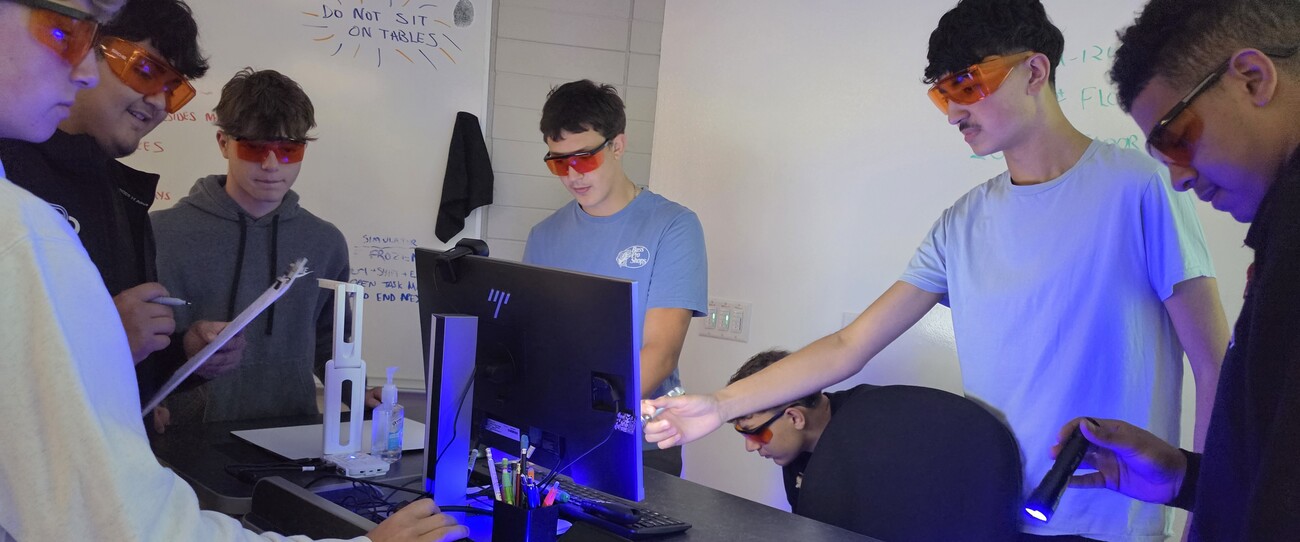
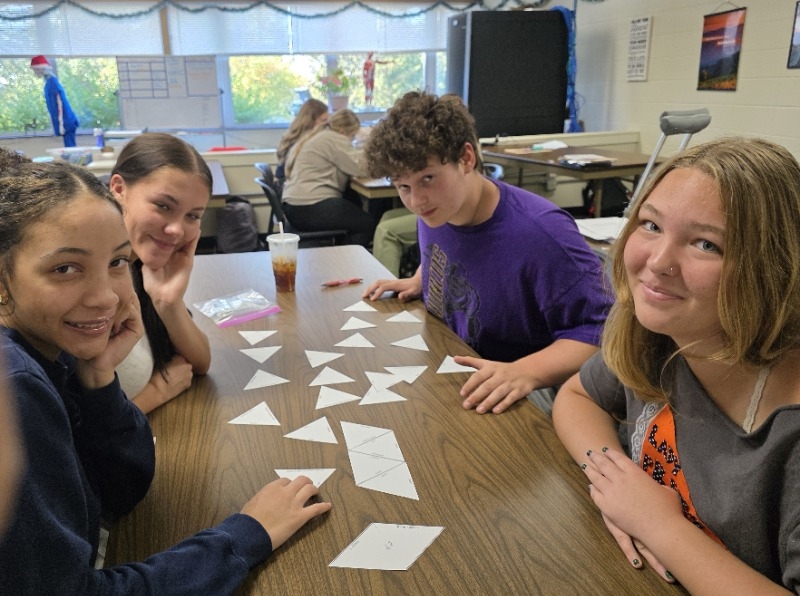
Students also took on the role of teacher. Working in pairs, they presented on the human body in health and disease, covering body planes, directional terms, body cavities, and structural units. Each student then taught a portion of Chapter 3 on the skeletal system. Explaining the material to classmates helped them truly master it. To review the first two chapters, teams worked together to reconstruct a Tarsia puzzle, matching word parts to their definitions.
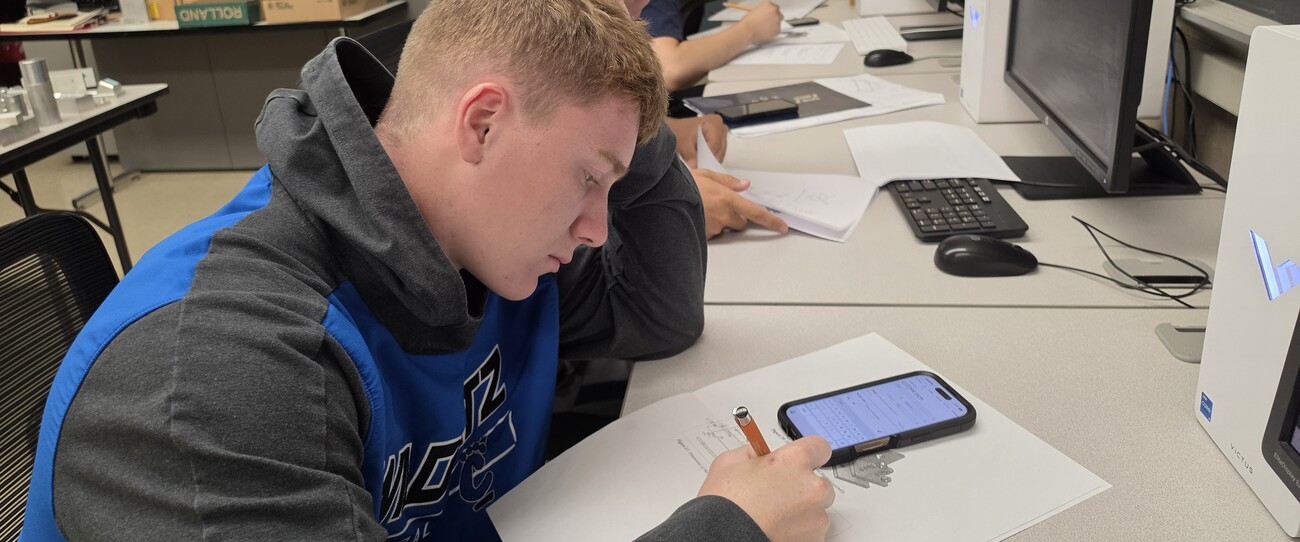
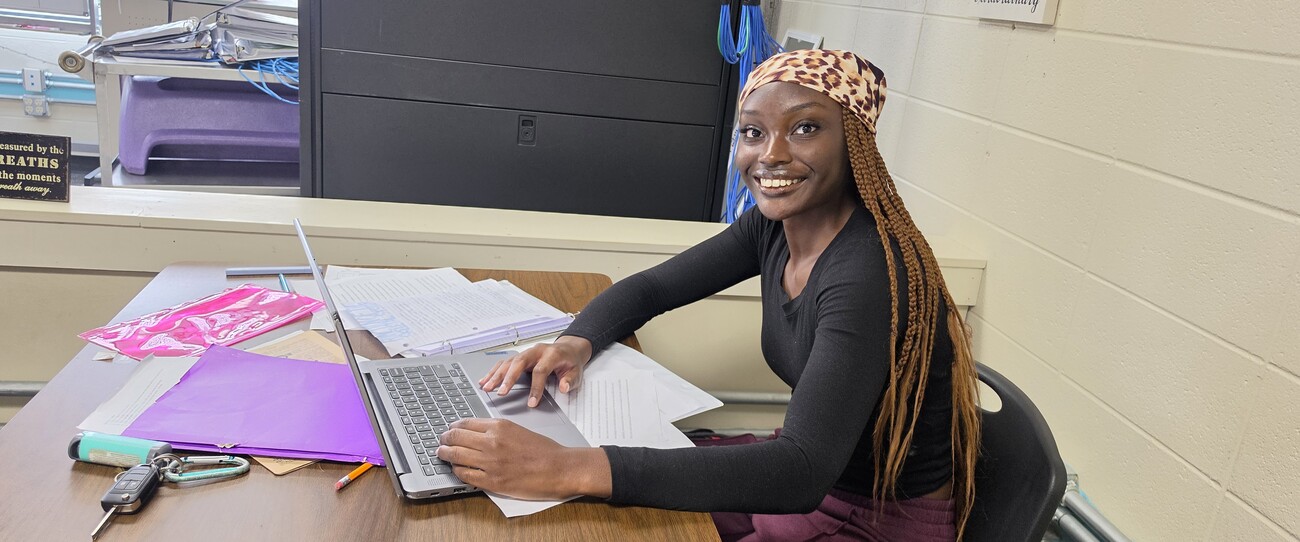
The skeletal system unit was very hands-on. Students practiced labeling bones using a cut-out of a 4-year-old human skeleton, and that practice paid off. They just submitted the first section of their Capstone project, a body systems portfolio that includes anatomical drawings and images, a glossary of key terms, and research on disorders, including one with personal meaning to the student. Congratulations on reaching this first big milestone!
Next, we begin the muscular system with a combined muscle and bone dissection using chicken leg quarters, giving students a close look at how muscles, tendons, and bones work together. After that, we move on to the cardiac chapter and a pig heart dissection.
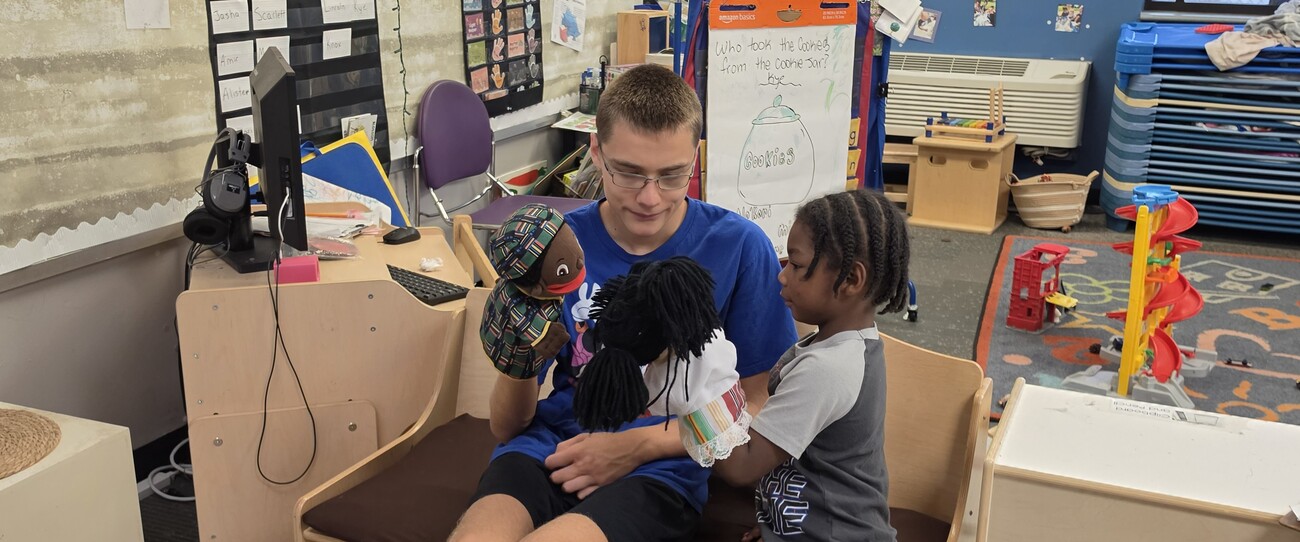
Outside the classroom, students are doing well at their internships. They recently turned in their first employability skills memo and their monthly internship hours.
We also sang Happy Birthday to Adasyn Rice who just turned 18. A true celebration birthday, as she can now legally push the hoyer lift button as a CNA. It may seem like a small thing, but under the U.S. Department of Labor's hazardous occupations order on hoisting equipment, students under 18 can't operate the lift itself. Ironically, they can perform the most critical part of the skill: placing the sling under the resident and attaching the sling loops to the lift's swivel bar, where a mistake carries the real safety risk.
We're proud of the effort these future healthcare workers are putting in and look forward to the rest of the semester!